Exploring Planning First Rv Camping Trip: A Camper's Guide
Planning a trip involving planning first rv camping trip? Here's what experienced campers wish they knew before visiting.

Owner, Pine Ridge Campground
Army veteran and entrepreneur who co-founded Pine Ridge Campground in 2017. With years of hands-on experience in seasonal RV camping and campground operations, Jamie shares practical insights for campers exploring Pennsylvania.
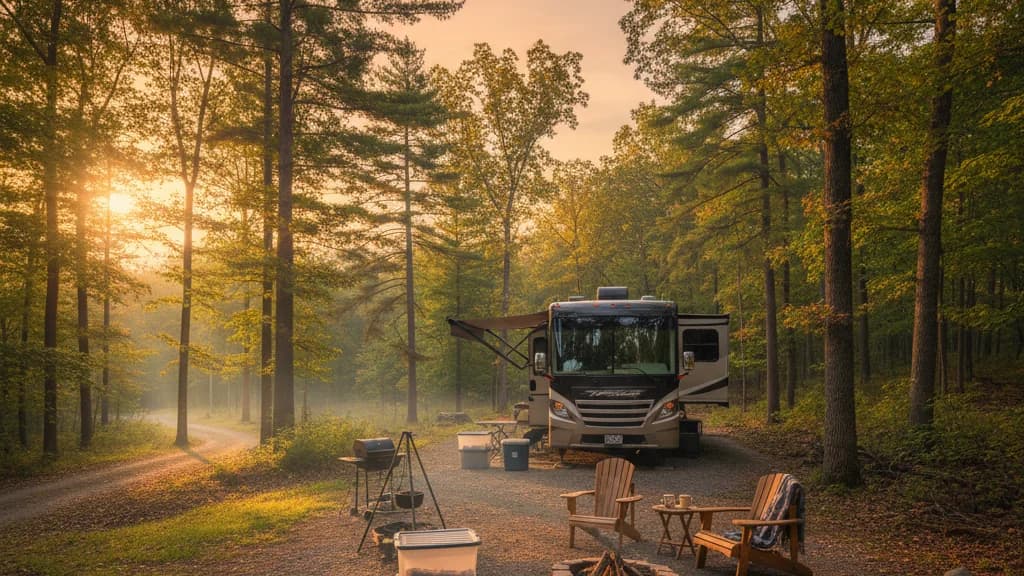
That first night in a new RV is a sensory experience you never forget: the faint scent of cedar from the cabinetry, the rhythmic hum of the AC unit, and that sudden, sharp realization that you aren't quite sure if you leveled the rig correctly before the slide-outs went out. I’ve spent over 15 years navigating the mountain roads of Pennsylvania and setting up camp in everything from pop-ups to luxury fifth wheels, and if there is one thing I’ve learned, it’s that a successful trip isn't born at the campground—it’s built in your driveway weeks before you ever turn the ignition.
Planning Your First RV Camping Trip
Planning your first RV camping trip is a delicate balance between logistics and adventure. Most beginners focus on the "where," but experienced campers know the "how" is what actually determines if you’ll have a good time. You aren't just booking a hotel room; you are captaining a mobile home with its own plumbing, electrical, and structural needs. In Pennsylvania, specifically around the South Mountain region near Biglerville, the terrain adds another layer of complexity. You’re dealing with elevation changes—Pine Ridge Campground sits at a cool 2,050 feet—which means your engine will work harder and your evening temperatures will drop faster than they do in the valley.
When you start planning, the first step is honestly assessing your comfort level with driving. If you’re renting or just bought your first rig, don't make your first destination a ten-hour haul across state lines. Start local. If you're coming from nearby cities like Frederick or Harrisburg, look for a destination within a two-hour radius. This "shakedown run" allows you to test your systems—water heater, fridge, and levelers—while still being close enough to a hardware store if you realize you forgot a critical pressure regulator or a 50-to-30 amp adapter.
Why Preparation Matters for New Campers
The difference between a "vacation" and a "trip" often comes down to preparation. In the RV world, lack of planning leads to "the divorce talk" at the dump station or, worse, a clipped awning in a tight campground turn. Preparation matters because RVing is an active hobby. Unlike a resort stay, you are the maintenance crew, the driver, and the chef.
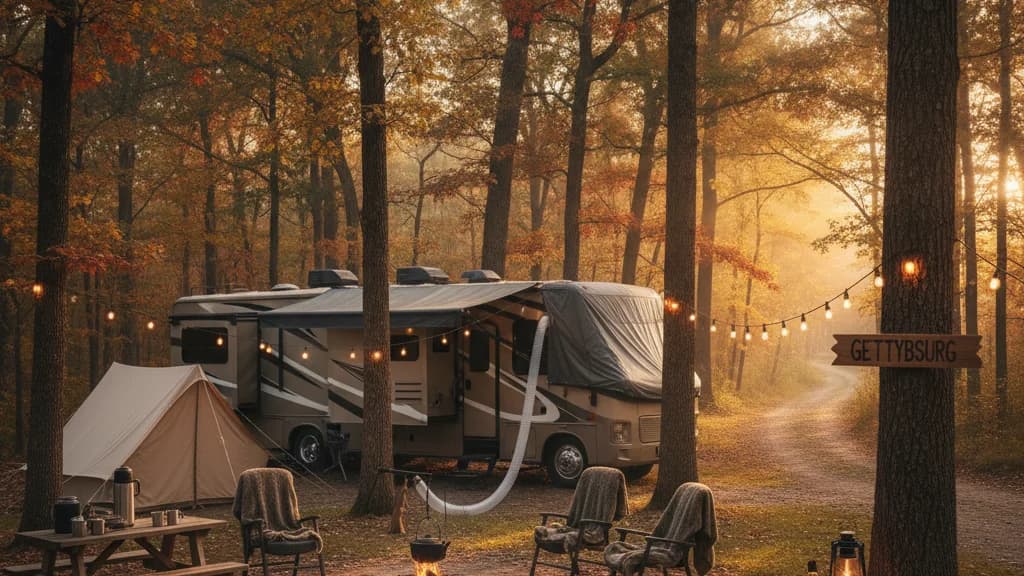
For many of us who eventually transition into seasonal camping, that first trip was the "aha" moment where we realized we loved the lifestyle but hated the constant packing and unpacking. This is why many families eventually look for seasonal camping near Gettysburg, where they can leave the rig set up all summer. But before you get to that stage, you need to master the basics. Proper planning ensures that when you arrive at a place like Michaux State Forest, you’re spending your time watching the sunset over the ridges rather than wrestling with a tangled sewer hose or realizing your power cord won't reach the pedestal.
Furthermore, understanding the "why" behind RV systems protects your investment. RVs are essentially houses experiencing a continuous earthquake every time they move down the highway. Planning includes checking tire pressure (heat is the enemy of RV tires), ensuring your weight distribution is correct, and knowing the height of your rig. There is a bridge near the Appalachian Trail crossing that has claimed more than a few AC shrouds from overconfident drivers who didn't know their clearance.
Essential RV Facts and Technical Details
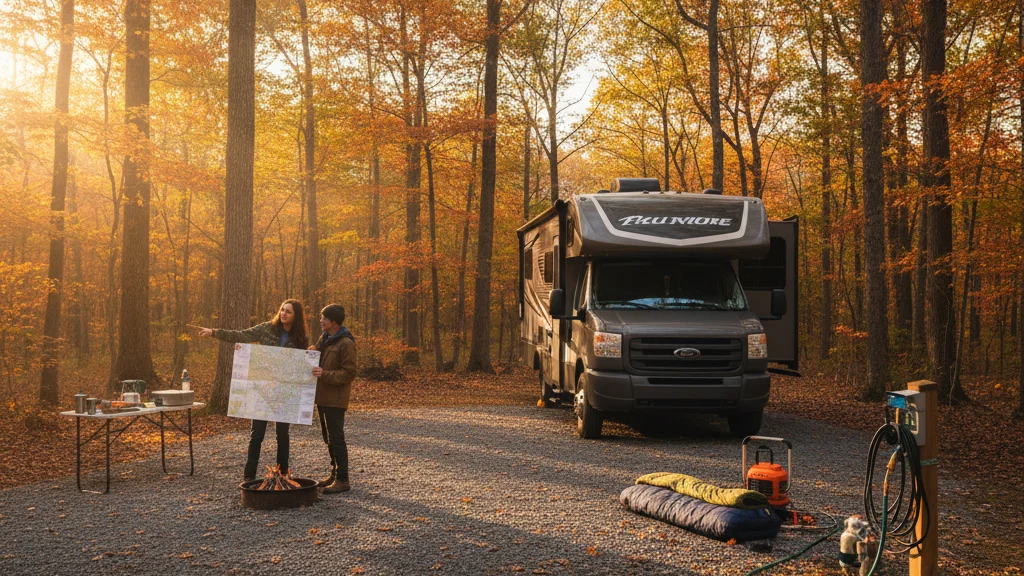
Before you hit the road, you need to speak the language of the campground. Most modern RVs require either 30-amp or 50-amp service. A 30-amp plug has three prongs; a 50-amp has four. If you plug a 50-amp rig into a 30-amp outlet using an adapter, you can’t run both AC units and the microwave at the same time without tripping a breaker. At Pine Ridge, we offer 20/30/50 amp service at our 141 full-hookup sites, which provides the flexibility most modern rigs need, but you should always carry your own surge protector. A "clean" power supply is vital for protecting the sensitive electronics in your RV’s control board.
Weight is another non-negotiable fact. You’ll see terms like GVWR (Gross Vehicle Weight Rating) and UVW (Unloaded Vehicle Weight). Never assume your truck can "handle it" just because the salesperson said so. Check your door jamb sticker. When you’re climbing the 2,000-foot elevation to reach the heart of the forest, an overloaded rig will overheat your transmission faster than you can say "tow truck."
Lastly, consider the water system. Most campgrounds provide "city water," but the pressure can fluctuate wildly. Always use a brass water pressure regulator. Without one, a spike in campground pressure can burst the PEX plumbing lines hidden behind your RV walls, leading to a flooded cabin. It’s a $20 tool that saves a $2,000 repair.
Pro Tips for a Seamless Experience
After a decade and a half of doing this, I’ve developed a "first-trip" checklist that goes beyond just packing socks:
* The "Two-Foot" Rule: When pulling into your site, always get out and look. Check for low-hanging branches and ensure your slide-outs have at least two feet of clearance from trees or power pedestals. * Arrive Before Dark: Setting up an RV in the dark is a recipe for frustration. You want to be able to see your leveling bubbles and your hookup connections clearly. * The Kitchen Sink Method: For your first meal, keep it simple. Don't try to cook a four-course dinner on a three-burner propane stove you aren't used to. Use the campground's amenities—perhaps grab a drink at the Corn Crib Bar or use the pavilion—while you get settled. * Download Offline Maps: Cell service in the deep woods of Pennsylvania can be spotty. If you’re heading toward Camp Michaux or exploring the backroads near Carlisle, your GPS might fail. Have a paper map or offline Google Maps downloaded. Manage Your Grey Tank: Keep your black tank (sewer) valve closed until it’s at least two-thirds full. You need the "whoosh" factor to clear the solids. Keep the grey tank (sink/shower) closed as well, then dump it after* the black tank to rinse out your hose.
If you’re interested in local flavor, I highly recommend wine touring in the Adams County area. There are fantastic wineries just 15 minutes from the mountain ridges that offer a perfect afternoon break from the campground.
How Pine Ridge Enhances Your Trip
While many people start with transient, nightly camping, they quickly find that the "packing and hauling" part of the trip is the most stressful. This is where a seasonal-only park like Pine Ridge Campground changes the game. Located deep within the Michaux State Forest, we offer a different kind of experience. Because we are 100% seasonal, you aren't dealing with neighbors who are loud for one night and gone the next. There’s a sense of community here that you just don't find at corporate, nightly-rate parks.
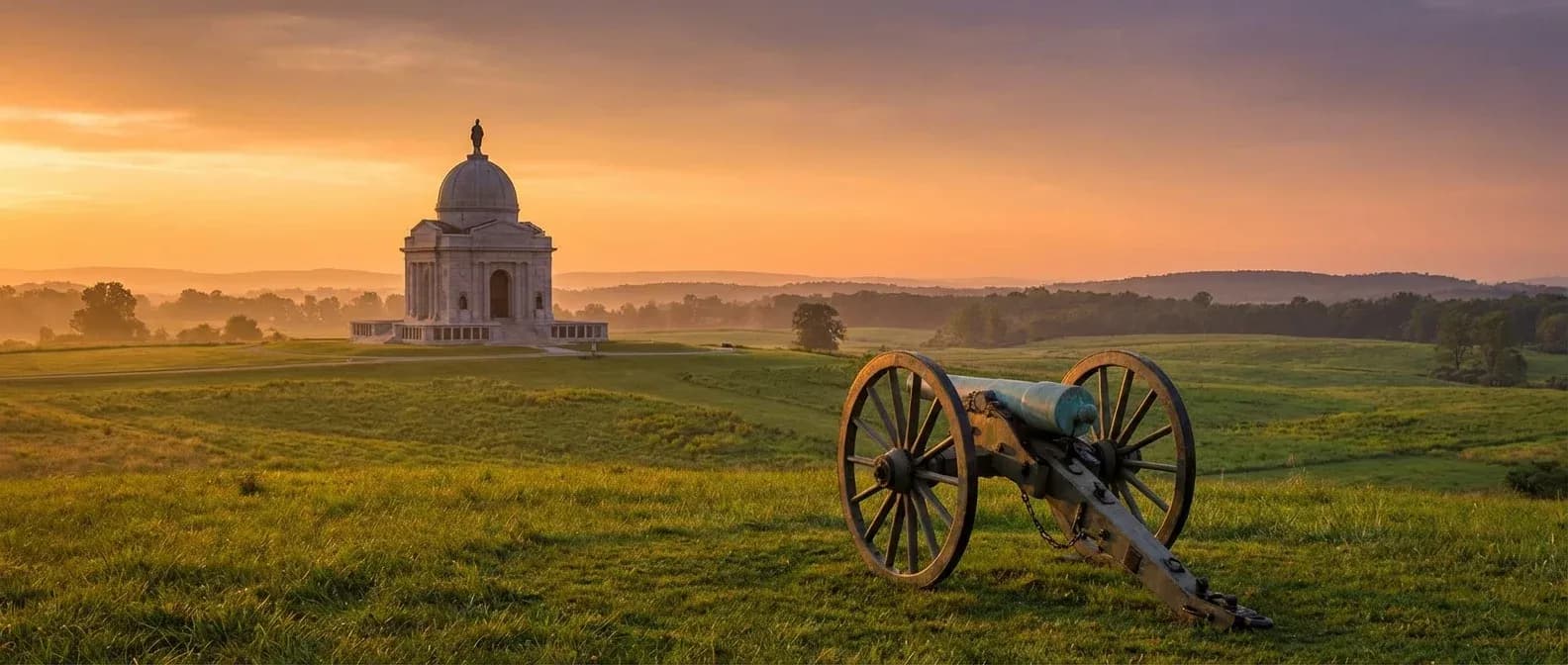
Our location is our greatest asset. You’re only 30 minutes from the historic Gettysburg battlefields, but you’re high enough in the mountains to escape the summer humidity. For those who love the outdoors, we are a prime hub for hiking and fishing. In fact, some of the best trout streams in the state are just a short drive down the mountain.
We are family-owned and have been since 2017. We aren't a massive chain; we’re campers ourselves. We’ve invested in fiber WiFi because we know that even when you’re trying to disconnect, you still need to check the weather or stream a movie on a rainy Tuesday. We also have a heated pool and a dedicated dog park, making it easy for the whole family (pets included) to feel at home for the entire seven-month season.
Getting Started on Your RV Journey
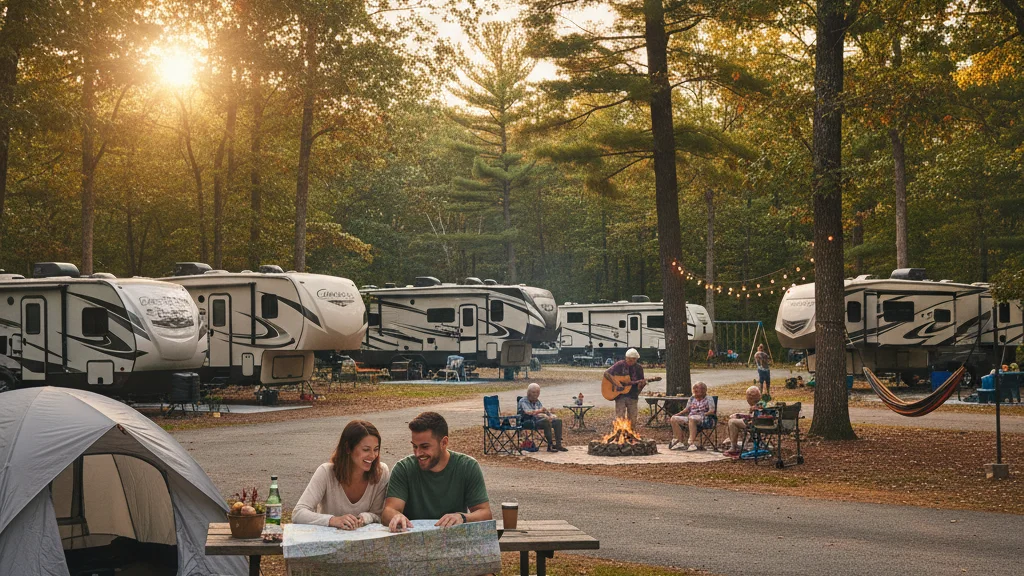
Your first trip is just the beginning of what often becomes a lifelong passion. Pennsylvania offers a massive variety of landscapes, from the Pocono Mountains to the shores of Raystown Lake. You might spend one weekend exploring the history of Lancaster & Amish Country and the next checking out the Carlisle car shows.
The key is to start with a plan, stay humble enough to ask for help from your neighbors (campers are the friendliest people on earth), and keep a sense of humor when things go sideways. Every "disaster" on a camping trip—like the time I forgot to secure the fridge door and arrived to find a gallon of milk on the floor—becomes a favorite story five years later.
If you find that you love the mountain air and the community of fellow travelers, you might decide that hauling the rig every weekend isn't for you. Many of our residents started exactly where you are—planning their first trip—and realized that having a permanent "home base" in the woods was the ultimate goal. Whether you’re into hunting in the fall or hitting the ATV trails in the summer, having a seasonal spot simplifies the adventure.
Ready to stop hauling and start relaxing? If you're looking for a permanent summer home in the heart of the Michaux State Forest, we invite you to see why our community is so special. Our season runs from April 1st to October 31st, providing seven months of mountain memories. Explore our seasonal sites to see our current availability or apply for a seasonal site today to join the Pine Ridge family.
Research sources: Comprehensive pre-trip safety checks should occur before every RV journey, addressing multiple systems and components that could compromise vehicle safety or functionality[2][6][26][29][51]. These inspections should include visual examination of all tires to assess tread depth and pressure, verification that all windows, doors, and storage compartments are fully closed and locked, confirmation that slide-out sections are fully retracted, inspection of safety chains and hitch connections on towed vehicles, testing of all lighting systems, and verification that awnings are securely stowed[2][6][26][29]. Pre-trip checks also require testing of heating and cooling systems, inspecting fresh water, gray water, and black water tanks, and ensuring that propane systems are functioning properly[6][29][51]. Many experienced RV campers develop standardized checklists that they review before every departure, reducing the likelihood of overlooking critical items and preventing the frustrating experience of discovering problems miles from home[2][6][26].; Battery management deserves particular attention for first-time RV campers, as improperly maintained batteries can fail unexpectedly and leave travelers stranded without essential power for lighting, water pumps, and electronic systems[2][6][26][29][39]. RVs typically utilize both house batteries that power interior systems while disconnected from external power and chassis batteries that start the motorhome engine, with each battery type requiring appropriate charging protocols and maintenance[2][26][39][42]. Many first-time RV campers fail to charge their batteries adequately before trips or neglect to monitor battery condition while camping, resulting in power depletion that necessitates expensive battery replacement or rescue services[2][6][29]. Developing a systematic approach to battery management that includes checking water levels in lead-acid batteries, ensuring proper charging from campground power pedestals, and monitoring battery condition using basic testing equipment prevents such problems[2][26][39].; Financial planning represents one of the most critical yet frequently underestimated aspects of RV trip planning, as inadequate budgeting can rapidly transform an enjoyable vacation into a financial burden with lasting consequences[14][15][17][56][59]. The three largest expense categories for RV trips consist of fuel costs, campground fees, and food, with each category presenting significant variation depending on vehicle type, trip duration, travel distance, and camping style[1][14][15][17][56]. Understanding realistic fuel consumption for specific RV types proves essential for accurate budget projection, as motorhomes and towed trailers typically achieve six to ten miles per gallon depending on engine size, vehicle weight, driving conditions, and driving habits[1][14][15][56]. Calculating fuel costs requires determining trip distance using mapping applications such as Google Maps, dividing total distance by estimated miles per gallon to determine fuel gallons needed, and multiplying this quantity by current regional fuel prices[14][56].
Make Pine Ridge your seasonal camping destination. Learn about our sites or apply now to reserve your spot.
Continue Reading
More guides and tips for your camping journey
Start Your Seasonal Camping Journey
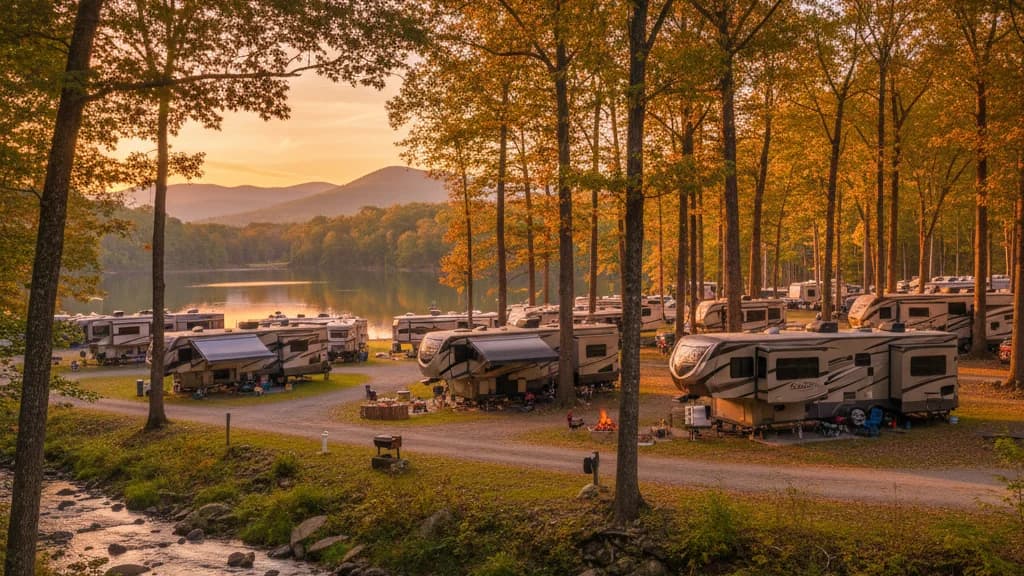
Pine Ridge Campground offers seasonal RV sites nestled in the beautiful Michaux State Forest, just 30 minutes from Gettysburg.