The Essential Guide to Dealing With Rv Condensation
Planning a trip involving dealing with rv condensation? Here's what experienced campers wish they knew before visiting.

Owner, Pine Ridge Campground
Army veteran and entrepreneur who co-founded Pine Ridge Campground in 2017. With years of hands-on experience in seasonal RV camping and campground operations, Jamie shares practical insights for campers exploring Pennsylvania.
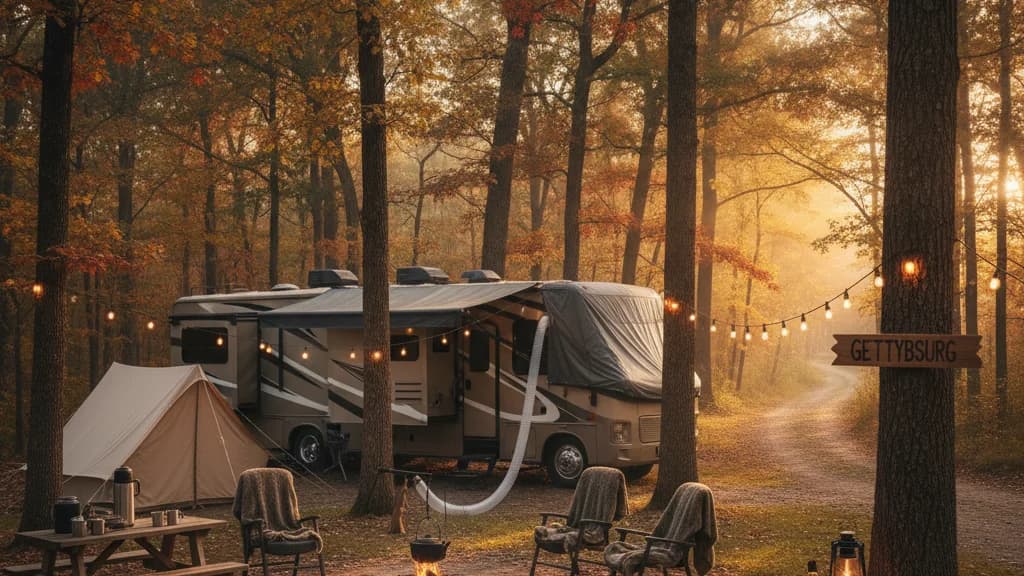
Wake up on a crisp October morning at 2,050 feet in the Michaux State Forest, and you’ll likely notice two things: the breathtaking view of the mist rising off the ridges and a stubborn layer of fog clinging to the inside of your RV windows. If you’ve spent any time seasonal camping in Pennsylvania, you know that "damp" is more than just a weather report; it’s a constant battle for your rig’s structural integrity. I’ve spent over 15 years waking up in various campers across the Commonwealth, and I can tell you from experience that ignoring those little beads of water on your window frame is the fastest way to invite mold, mildew, and costly delamination into your home away from home.
Understanding the Battle Against RV Condensation
RV condensation isn't just a minor annoyance; it’s a scientific certainty when warm, moist air meets a cold surface. In a confined space like a travel trailer or 5th wheel, we are the primary culprits. A single person exhales about four cups of water vapor every day. Add in a boiling pot of pasta, a steaming shower in the bathhouse, or a propane furnace running on a chilly night, and you’ve effectively turned your camper into a terrarium.
In the mountains near Gettysburg, the temperature swings can be dramatic. You might enjoy a sunny afternoon at the National Apple Harvest Festival, but as soon as the sun drops behind the pines, the exterior temperature of your RV walls plummets. Because RVs generally have thinner insulation and more thermal bridging (metal studs or window frames) than residential homes, that temperature differential creates the perfect "dew point" on your interior walls. I’ve seen beautiful rigs ruined by "hidden" condensation—the kind that drips down inside the wall cavities behind the cabinets where you can't see it until the wallpaper starts to bubble.
Why Moisture Control Matters for Campers
If you are a seasonal camper at Pine Ridge Campground, your RV is an investment in your lifestyle. Unlike weekend warriors who can dry out their rigs at home, seasonal units sit in the woods for seven months. If you don't manage humidity, that moisture sits too. High humidity levels (anything consistently over 50-60%) create a breeding ground for mold spores. This isn't just about a "musty" smell; it's a health hazard and a threat to the resale value of your unit.
Furthermore, condensation is a silent killer of electronics and upholstery. I once helped a neighbor troubleshoot a flickering LED control panel only to find the circuit board was corroded from localized condensation dripping off an overhead AC duct. In South Central Pennsylvania, our humidity can be relentless. Whether you’re heading out for a day of tasting at Adams County Winery or spending the afternoon at the swimming pool, your RV is back at the site "breathing." If that breath is trapped, it’s doing damage.
Critical Facts About RV Humidity Levels
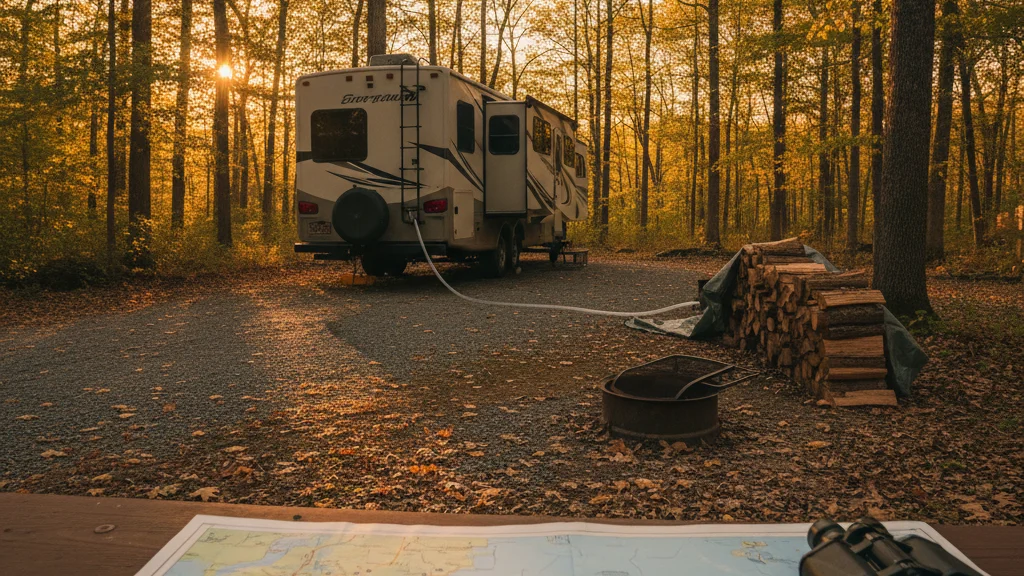
To win the war on moisture, you need to understand the numbers. Most experienced campers suggest keeping your internal RV humidity between 30% and 50%. Once you cross that 50% threshold, dust mites and mold begins to thrive. Here are some technical realities I've learned over a decade and a half on the road:
- The Propane Factor: Burning propane inside an unvented space (like using your stove or a portable Buddy heater) releases significant amounts of water vapor. For every gallon of propane burned, about one gallon of water is released into the air. This is why we always stress using the range hood fan when cooking.
- Thermal Bridging: Your aluminum window frames are essentially "cold sinks." They pull the cold from the outside and meet the warm air inside, which is why windows are always the first place you see moisture.
- Air Stagnation: Moisture loves dead air space. The corners of closets, the area under the master bed, and the backs of cabinets are prime locations for "ghost" condensation.
- The "Human" Element: Two adults and a dog can easily add two gallons of water to the air in 24 hours just by breathing and sweating.
Practical Tips for Reducing Interior Moisture
Over the years, I’ve developed a "dry rig" protocol that has saved me thousands in repairs. It starts with ventilation. Even when it’s cold, you need to "crack" a roof vent. It sounds counterintuitive to let heat out, but you have to give that moist air an escape route. At Pine Ridge, we have high-speed fiber WiFi, so many of our seasonal campers use smart hygrometers (humidity sensors) that send an alert to their phones if the moisture levels spike while they are away in town visiting Hersheypark.
1. Invest in a Real Dehumidifier Forget those small "peltier" style dehumidifiers you see for $40. They can't move enough air. For a seasonal RV, you want a compressor-based dehumidifier rated for at least 30 pints. Many seasonal campers at Pine Ridge set theirs to drain directly into the grey tank or through a hose to the rv dump station connection, allowing it to run 24/7 without needing to empty a bucket.
2. Improve Air Circulation Don't jam your cabinets full. Leave an inch of space at the back for air to move. I use "closet spacers" or even small pieces of pool noodle to keep bins from touching the exterior-facing walls. Under-mattress ventilation mats (like Hypervent) are also a lifesaver. Without them, the heat from your body meets the cold plywood of the bed platform, and you’ll wake up to a soaking wet mattress.
3. Cooking and Cleaning Habits Always run the exhaust fan when boiling water. If you’re coming back from a muddy hike near the Michaux target shooting range, don't hang your wet clothes inside the RV. Use the pavilion or a dedicated outdoor drying rack. Even a wet towel hanging on the bathroom door can raise the humidity in a small trailer by 10% in an hour.
4. The Window Insulation Trick In the shoulder seasons (April or October), many of us use Reflective foil insulation (Reflectix) cut to fit the windows. This creates a thermal barrier that prevents the warm air from hitting the cold glass. Just be careful—if you seal it too tightly, you might trap moisture between the foil and the glass. I always leave a small gap at the top.
How Pine Ridge Supports Your Setup
At Pine Ridge Campground, we understand the specific challenges of the Michaux State Forest climate. Being at 2,050 feet elevation means we often have cooler, damper nights than the valleys in nearby Shippensburg or Biglerville. Because we are a 100% seasonal park, you have the advantage of setting up a permanent moisture-mitigation system.
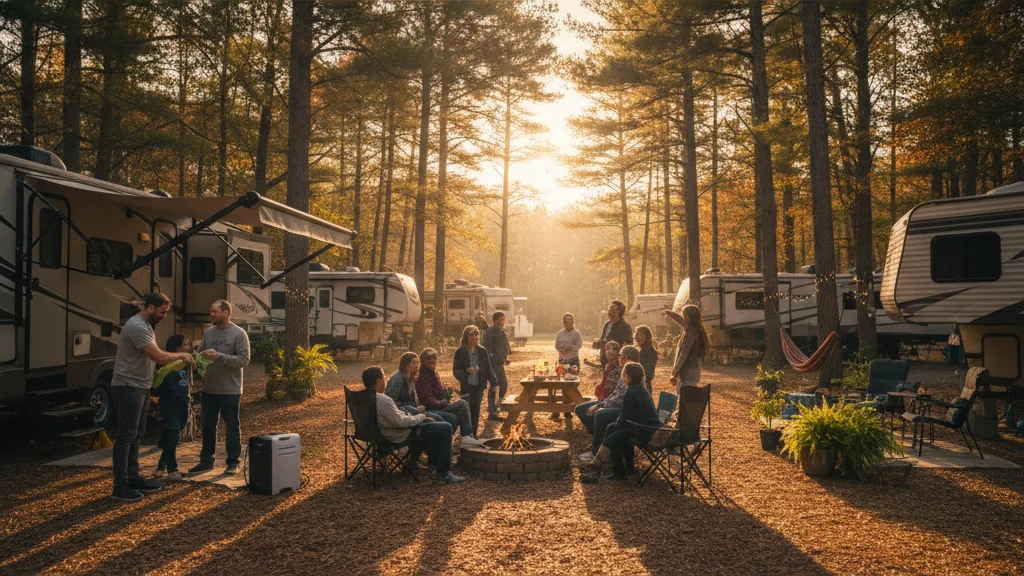
Unlike transient parks where you’re constantly packing and unpacking, our residents can install high-quality dehumidifiers, vent covers (like MaxxAir) that allow you to keep vents open even during a rainstorm, and permanent skirting which can help stabilize the temperature under the rig. If you’re planning a trip to the Shippensburg Corn Festival or taking the kids to Roundtop Mountain Summer Adventures, you can leave your rig knowing it’s set up to stay dry and healthy. Our family-owned atmosphere means neighbors look out for each other—if we see a vent left open during a freak storm, we’re going to let you know.
Getting Started With a Dry RV
If you’re new to the seasonal world, don't let the fear of condensation scare you off. It’s a manageable part of the lifestyle. Start by purchasing a simple digital hygrometer—you can find them for under $15. Place it in the center of your RV and see what the numbers tell you. If you’re consistently over 50%, it’s time to take action.
Start with the "free" fixes: use your fans, take shorter showers, and keep your windows cracked. If the levels remain high, look into a compressor dehumidifier. Many of our campers find that once they get the humidity under control, the RV actually feels warmer in the winter and cooler in the summer because dry air is easier to thermally regulate than damp air.
While you're out exploring the Pennsylvania State Capitol or grabbing fresh produce at Hollabaugh Bros Farm Market, your RV should be a sanctuary, not a swamp. With a few proactive steps, you can ensure your seasonal home remains a comfortable, mold-free retreat for years to come.
The best way to experience the beauty of the Michaux State Forest is with the peace of mind that your rig is properly maintained. Whether you're a veteran camper or just looking for a permanent summer getaway near the historic sites of Gettysburg, we invite you to join our community. We focus on providing a quiet, family-oriented environment where you can truly relax. Explore our seasonal sites to see our current availability and find the perfect spot for your RV, or if you're ready to make Pine Ridge your seasonal home, apply for a seasonal site today.
Research sources: Showering and bathing represent the single most prolific source of moisture introduction in recreational vehicles[2][3][5][56]. A single hot shower can introduce substantial quantities of steam into your RV's environment, and without immediate and effective ventilation, this moisture condenses throughout your rig—particularly on windows, in bathroom areas, and in adjacent sleeping quarters[2][3][5][44][56]. The bathroom environment becomes especially problematic because it combines extremely high humidity from showering with typically poor ventilation unless actively managed[2][3][28][43][44].; Cooking activities similarly introduce significant moisture into your RV's atmosphere, particularly when using stovetop methods that generate steam through boiling water, cooking pasta, preparing rice, or simmering soups and sauces[2][3][4][5][25][44][56]. Even brief cooking activities can rapidly increase your RV's humidity levels, and without active ventilation, this moisture quickly condenses on available cold surfaces[2][3][5][25][44][56]. The kitchen environment compounds this problem because cooking often occurs during morning or evening hours when outside temperatures drop, maximizing the temperature differential that promotes condensation[44].; Breathing and perspiration during sleep represent an often-overlooked but constant source of moisture generation that accumulates throughout nighttime hours when your RV is sealed shut for warmth[4][8][28][44][49]. Each sleeping person contributes one gallon of water vapor overnight through respiration and perspiration, creating a cumulative effect that drives humidity levels upward even without cooking, showering, or other active moisture-generating activities[31][40][43][49][52]. This nighttime moisture accumulation explains why many RV owners wake to find windows thoroughly fogged and walls damp despite minimal daytime activity[44][49].
Ready to make Pine Ridge your home base? Apply for a seasonal site today or explore our seasonal sites to find your perfect spot.
Continue Reading
More guides and tips for your camping journey

Start Your Seasonal Camping Journey
Pine Ridge Campground offers seasonal RV sites nestled in the beautiful Michaux State Forest, just 30 minutes from Gettysburg.