Everything You Need to Know About Seasonal Site Landscaping Ideas
Make the most of seasonal site landscaping ideas with insider tips from year-round camping enthusiasts.

Owner, Pine Ridge Campground
Army veteran and entrepreneur who co-founded Pine Ridge Campground in 2017. With years of hands-on experience in seasonal RV camping and campground operations, Jamie shares practical insights for campers exploring Pennsylvania.
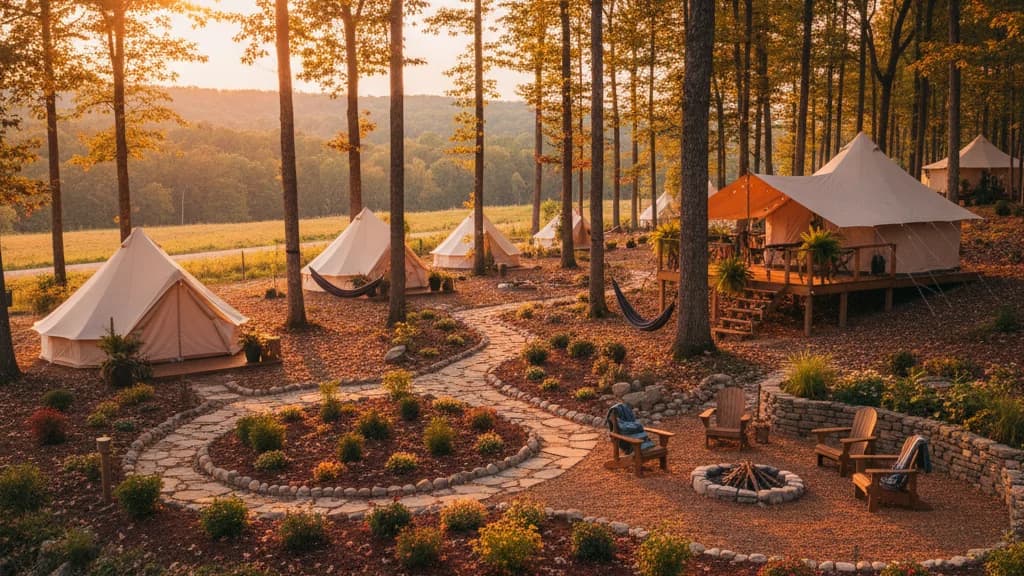
Walking into your seasonal campsite for the first time in April feels a lot like opening a summer cottage, but with one major difference: your "front yard" is often a blank canvas of gravel, grass, or forest floor. After 15 years of setting up seasonal spots across Pennsylvania, I’ve learned that the transition from a "parking space" to a "home away from home" happens the moment you put down that first paver or plant your first perennial. There is a specific kind of magic in sitting under your awning at dusk, the smell of damp pine needles in the air, looking out over a small garden or a neatly tiered stone border that you built with your own hands.
Whether you are parked near the historic fields of Gettysburg or tucked away in the high elevations of Michaux State Forest, your outdoor space is where 90% of your memories will be made. But landscaping an RV site isn't quite like landscaping a residential home. You have to account for slide-outs, umbilical cords (your water and electric hookups), and the fact that most campgrounds—including family-owned spots like Pine Ridge—require everything to be removable or "semi-permanent" to protect the land.
Creating a Functional Outdoor Living Room
When you commit to seasonal sites, you are moving away from the "setup and teardown" lifestyle of weekend warriors. You no longer have to worry about whether your rug is straight or if your chairs will fit in the pass-through storage. This stability allows you to think about "zones." In my experience, the most successful seasonal layouts divide the site into three distinct areas: the cooking zone, the lounge zone, and the transition zone.
The cooking zone should always be closest to your camper’s outdoor kitchen or your propane hookups. I highly recommend using heavy-duty 24x24 inch patio pavers here rather than just a plastic outdoor rug. Over a seven-month season, rugs can trap moisture and heat, which kills the grass and creates a muddy mess by August. Pavers provide a level, fire-resistant surface for your Blackstone or grill.
The lounge zone is where your swimming pool towels dry and where the "campground sprawl" happens. If you’re at a high-elevation spot like Pine Ridge (sitting at 2,050 feet), you’ll want to consider wind patterns. The mountain breeze is refreshing in July, but it can wreak havoc on cheap umbrellas. I’ve found that weighted cantilever umbrellas or even a semi-permanent gazebo (if permitted) are game-changers for those sunny Pennsylvania afternoons.
Why Landscaping Enhances Your Seasonal Experience
Seasonal camping is about community and decompression. When your site looks intentional, it changes your psychological state the moment you pull into the campground after a long week of work in Harrisburg or York. A well-landscaped site acts as a buffer between you and the "road." Even a simple row of potted tall grasses can provide a sense of privacy without making you look like a hermit.
From a practical standpoint, landscaping also manages the elements. Pennsylvania weather is notoriously fickle. You might have a drought in June and three weeks of torrential rain in July. Proper grading—using small river stones or "modified" gravel—ensures that water flows away from your RV tires and your outdoor rug. I’ve seen many a camper lose a perfectly good rug to mildew because it sat in a low spot for three months. By elevating your sitting area slightly with a layer of crushed stone topped with pavers, you stay dry and your equipment lasts longer.
Furthermore, landscaping allows you to express your personality. In a community of 141 sites like we have at Pine Ridge, your landscaping is your "handshake." It’s how neighbors identify your spot. Whether it’s a collection of vintage lanterns or a meticulously kept flower bed, it contributes to the overall "neighborhood" feel that makes seasonal camping so much better than transient stays.
Essential Facts for RV Site Design
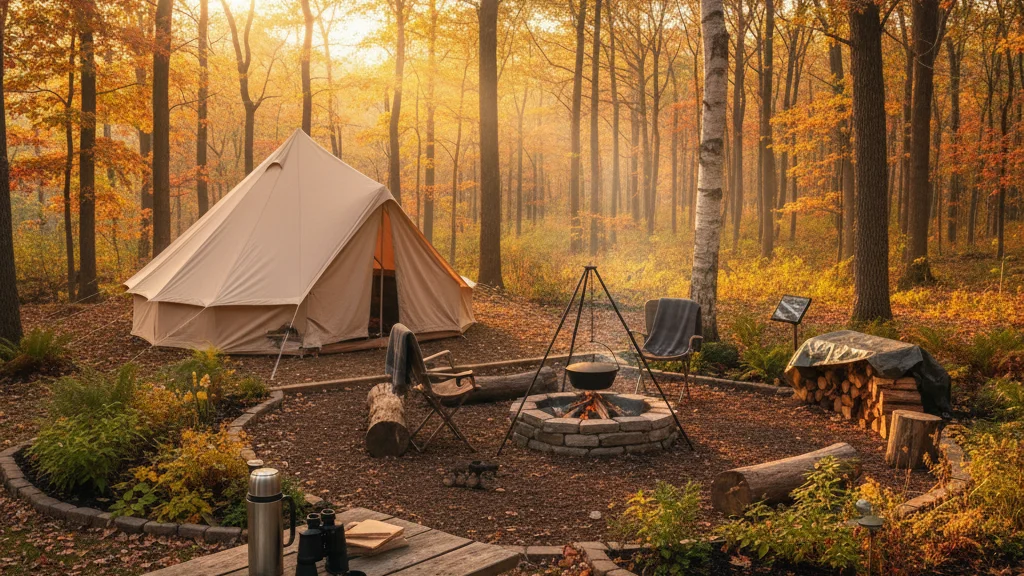
Before you head to the local garden center near Carlisle, you need to understand the technical constraints of an RV site. First and foremost: Access is everything. Never landscape over your sewer connection or your electrical pedestal. I once saw a camper build a beautiful stone surround for their hookups, only to have to tear it down when a surge protector needed replacing. Leave at least a 12-inch "clearance zone" around all utilities.
Secondly, consider the weight and mobility of your choices. Since most seasonal contracts (including ours) run from April 1 to October 31, you need to think about "winterization." Anything you plant in the ground should be native to Pennsylvania (Hardiness Zone 6b or 7a) so it can survive the mountain winters at 2,000+ feet. If you use large pots, ensure they are frost-proof or light enough to move into your shed or RV at the end of October.
Third, acknowledge the shade. Many Pennsylvania campgrounds are heavily wooded. This means "full sun" plants like petunias will likely struggle. Instead, focus on shade-tolerant beauties like Hostas, Bleeding Hearts, or Ferns. These thrive in the dappled light of Michaux State Forest and require very little maintenance once established.
Finally, remember the "Slide-Out Rule." Always measure your site with your slides extended. It’s a common rookie mistake to plant a bush or set a decorative fence right where the bedroom slide needs to deploy. I always keep a 25-foot tape measure in my "seasonal kit" for exactly this reason.
Proven Tips for Low Maintenance Beauty
The goal of a seasonal site is relaxation, not spending eight hours every weekend weeding. To achieve this, I swear by the "Container and Mulch" method. Instead of digging into the rocky Pennsylvania soil—which is often full of shale and roots—use large, whiskey-barrel style planters. They provide height, prevent invasive weeds from taking over, and keep your plants safe from the occasional stray weed-whacker.
Use "Polymeric Sand" between your patio pavers. This is a special type of sand that hardens when wet, preventing weeds from growing in the cracks of your patio. It’s a bit more expensive than regular sand, but it will save you dozens of hours of kneeling and pulling weeds over the course of the season.
For lighting, skip the cheap plastic solar stakes that break after one storm. Invest in heavy-duty, commercial-grade LED string lights (often called "Edison bulbs"). String them securely under your awning or along your site’s perimeter using zip ties. Not only do they look sophisticated, but they also provide better visibility for late-night walks back from the Corn Crib Bar or the swimming pool.
Another pro tip: use "river rock" instead of wood mulch. Wood mulch eventually washes away, rots, and can attract termites or carpenter ants toward your RV's wooden frame. River rock is permanent, stays in place during heavy rain, and looks much more "mountain-chic," fitting perfectly with the aesthetic of Michaux State Forest.
Designing Your Site at Pine Ridge
At Pine Ridge Campground, we take pride in being a family-owned, 100% seasonal community. Because we don't have transient campers moving in and out every night, our residents have the unique opportunity to truly "settle in." When you’re planning your landscaping here, you’re designing for a seven-month stretch in one of the most beautiful parts of the state.
Our location at 2,050 feet elevation means our spring starts a little later and our fall colors are spectacular. When choosing plants, I always suggest varieties that have "fall interest." Burning Bushes or Ornamental Grasses look incredible in late September when the air gets crisp and you’re heading out for a day at the Gettysburg Battlefield or visiting the nearby Eisenhower National Historic Site.
We offer full-hookup sites with 20/30/50 amp electric, which gives you plenty of power for outdoor features. Some of our campers have installed small, self-contained water fountains that provide a soothing background noise to compete with the rustling leaves. Because we offer fiber WiFi throughout the park, many folks also incorporate "smart" outdoor lighting that they can control from their phones—a nice touch when you're arriving late on a Friday night and want the porch lights on.
Start Your Seasonal Journey Today
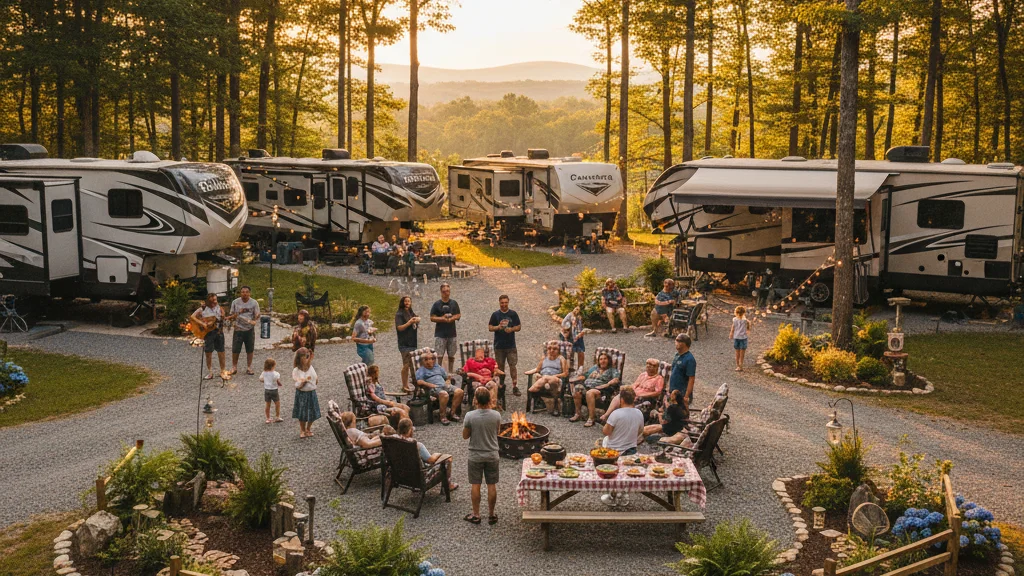
Ready to start digging? The first step isn't buying plants—it's securing your spot. Seasonal sites in high-demand areas near Lancaster and Gettysburg fill up fast because people realize the incredible value of having a "permanent" vacation home for a fraction of the cost of a cabin. At Pine Ridge, our season runs from April to October, giving you plenty of time to see your landscaping efforts bloom and grow.
Start by sketching your site on a piece of graph paper. Mark where your camper sits, where the sun hits at 4:00 PM (the hottest part of the day), and where you want your "view" to be. Most of our sites offer stunning mountain vistas or forest privacy, so you’ll want to orient your seating to take advantage of that.
Don't feel like you have to do everything in the first year. The best seasonal sites are "evolved." Maybe Year 1 is about the patio and the fire pit. Year 2 is when you add the perennial borders. Year 3 is for the custom shed and the decorative lighting. That’s the beauty of the seasonal lifestyle—you have all the time in the world to make it perfect.
If you’re tired of the "weekend warrior" grind and want a place where you can actually put down roots (literally and figuratively), we’d love to have you in our community. Our sites range from $3,500 to $4,500 per season, offering a level of peace and mountain air that you just can't find in the valley.
Are you ready to create your own mountain retreat in the heart of Michaux State Forest? We invite you to apply for a seasonal site today and join our community of long-term campers who have found their home away from home at Pine Ridge.
Research sources: For seasonal campers beginning site development in April when Pine Ridge opens for the season, plant selection should prioritize hardy, adaptable species capable of thriving in the transitional spring weather while establishing strong root systems before summer heat arrives[1]. The environmental conditions at 2,050 feet elevation in a state forest setting present distinct advantages and constraints compared to lower-elevation Pennsylvania locations. The cooler temperatures throughout spring favor species that appreciate moderate conditions, while the adequate spring moisture supports establishment of water-loving perennials that might struggle in drier locations.; Research on plant selection for RV park environments highlights several categories of plants particularly well-suited to spring installation[1]. Low-maintenance perennials including salvia (thriving in moderate climates with low to medium water requirements and attractive foliage) and coreopsis (displaying bright, cheery colors with low to medium water needs) establish well when planted in spring[1]. For campers seeking more dramatic visual impact, ornamental grasses and spring-blooming bulbs—which complete their cycle before summer heat becomes intense—offer excellent value. The key principle underlying successful spring planting involves choosing species that mature before July's intense heat and provide visual interest extending through the season.; Spring landscaping also represents an optimal opportunity for establishing perennial borders, which improve in appearance year after year with minimal intervention[1]. A thoughtfully designed border framework established in spring creates structure that persists through seasons, providing the bones of a visually coherent site even during winter dormancy. Such borders might incorporate early-season bloomers like tulips and hellebores in April and May, transitioning to late-spring bloomers like alliums and baptisia that bridge the gap toward summer color providers.
Interested in seasonal camping at Pine Ridge? View our seasonal sites or submit your application to get started.
Continue Reading
More guides and tips for your camping journey
Seasonal Camping Communities in Pennsylvania: Why RVers Are Choosing Year-Round Mountain Retreats Near Gettysburg
8 min read
Full Hookup Seasonal Camping in Pennsylvania: The Complete 2027 Guide for RV Enthusiasts
9 min read
Pennsylvania Camping Seasons: When to Book Your Site
9 min read
Start Your Seasonal Camping Journey
Pine Ridge Campground offers seasonal RV sites nestled in the beautiful Michaux State Forest, just 30 minutes from Gettysburg.